Table of Contents
comes and goes with the seasons, with symptoms generally starting in the late fall and very early wintertime and disappearing throughout the spring and summer. is a serious form of clinical depression in which an individual experiences psychosis symptoms, such as deceptions or hallucinations. includes depressive episodes, as well as manic episodes (or less serious hypomanic episodes) with uncommonly elevated mood, greater irritation, or increased activity degree.
Pregnancy, the postpartum period, the menstruation cycle, and menopause are connected with physical and hormonal adjustments that can induce a depressive episode in some people. is a more severe form of premenstrual disorder, or PMS, that happens in the weeks before menstruation. takes place while pregnant or after giving birth. It is much more than the "infant blues" numerous new mothers experience after delivering.
Embodied Perspective in the Treatment of Depression
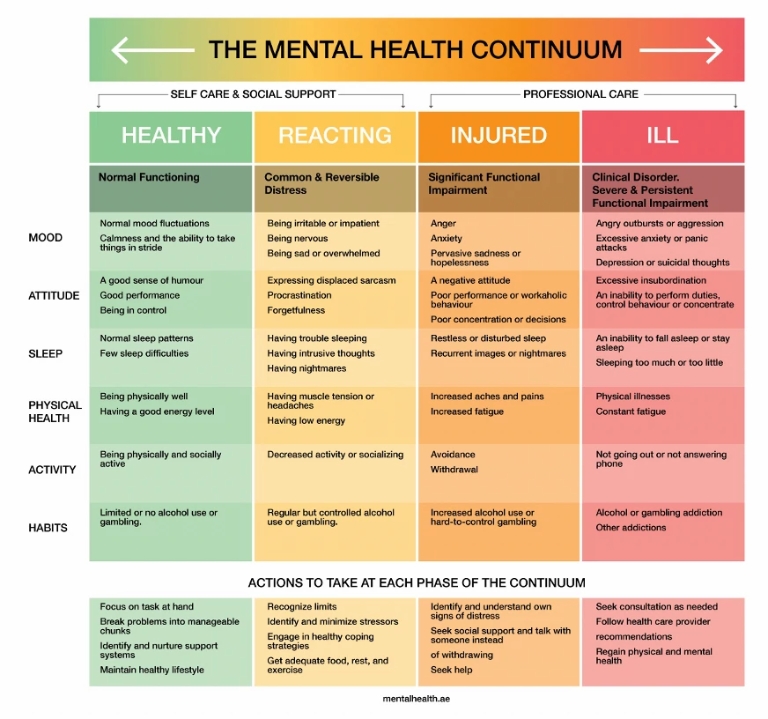
Depression signs conflict with day-to-day operating and cause significant distress for the person experiencing them. If you show signs or symptoms of clinical depression and they linger or do not go away, talk with a healthcare provider. If you see signs of anxiety in a person you understand, motivate them to look for aid from a psychological health specialist.
Among the signs and symptoms have to be a clinically depressed mood or a loss of rate of interest or enjoyment in a lot of tasks. Youngsters and teens might be cranky instead than unfortunate. Although a number of consistent signs and symptoms, along with low state of mind, are needed for a depression diagnosis, people with just a couple of signs may take advantage of treatment.
They may have various other problems, such as stress and anxiety, an eating problem, attention-deficit/hyperactivity problem, or material make use of condition. Older children and teens are also most likely to experience too much sleepiness (called hypersomnia) and raised cravings (called hyperphagia). are a lot more most likely to be short-tempered, whine of weight gain and hypersomnia, and have an adverse view of life and the future.
Identifying Burnout Through Relational Life Therapy
They may report a lack of emotions rather than a depressed state of mind. Older adults are likewise much more most likely to have other clinical conditions or pain that can trigger or add to clinical depression.
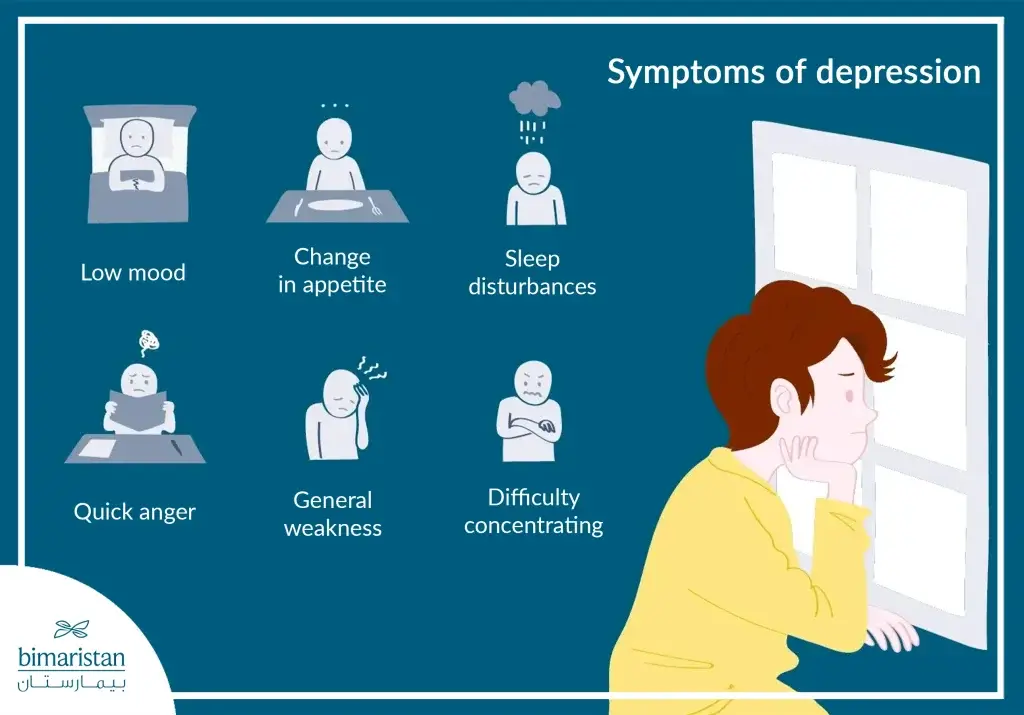
Depression can additionally look various in males versus ladies, such as the symptoms they show and the habits they use to manage them. As an example, men (along with women) might reveal signs and symptoms aside from sadness, instead appearing angry or cranky. For some people, signs and symptoms materialize as physical problems (for example, a racing heart, tightened breast, persistent frustrations, or digestion concerns).
How Grief and Sadness for Addressing Emotional Pain
Locating the ideal therapy may take trial and error. For milder forms of depression, psychotherapy is typically attempted initially, with medication added later if the therapy alone does not produce a great action. People with moderate or extreme clinical depression typically are prescribed medicine as component of the first treatment strategy.
Psychotherapy takes place under the treatment of a qualified, skilled psychological wellness expert in individually sessions or with others in a team setup. Psychiatric therapy can be reliable when delivered face to face or essentially through telehealth. A supplier may support or supplement therapy utilizing electronic or mobile modern technology, like apps or various other devices.

Antidepressants are drugs commonly utilized to deal with clinical depression. They work by changing exactly how the brain produces or uses particular chemicals included in state of mind or tension.
Why Choose Brainspotting for Trauma in Singapore
Esketamine is a drug accepted by the U.S. Fda (FDA) for treatment-resistant depression. Supplied as a nasal spray in a doctor's office, facility, or medical facility, the drug acts rapidly, usually within a couple of hours, to alleviate depression signs. People will usually proceed to take an antidepressant tablet to preserve the enhancement in their signs and symptoms.

Navigation
Latest Posts
Identifying through Inherited Trauma in Family Therapy
Science Behind Exposure and Response Prevention for Depression and Mood Therapy
Understanding the Anxiety Treatment Timeline